
May 12, 2025
That's right, summer is right around the corner and cybercriminals are exploiting travel season by sending fake booking confirmations that look nearly identical to e-mails from airlines, hotels and travel agencies. These scams are designed to steal personal and financial information, hijack your online accounts and even infect your device with malware.
Even tech-savvy travelers are falling for it.
Here's How the Scam Goes
A Fake Booking Confirmation Lands in Your Inbox
●The e-mail can appear to come from well-known travel companies like Expedia, Delta or Marriott.
●Hackers often use official logos, correct formatting and even "customer support" numbers.
●Subject lines create a sense of urgency:
○"Your Trip to Miami Has Been Confirmed! Click Here for Details"
○"Your Flight Itinerary Has Changed - Click Here for Updates"
○"Action Required: Confirm Your Hotel Stay"
○"Final Step: Complete Your Rental Car Reservation"
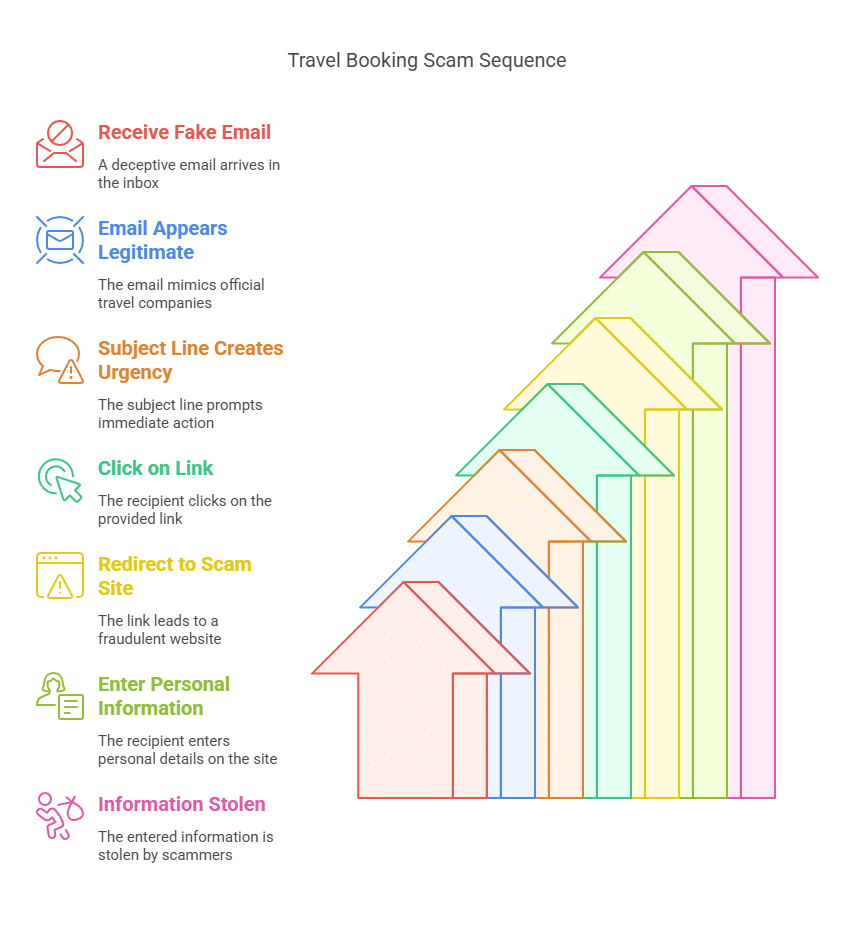
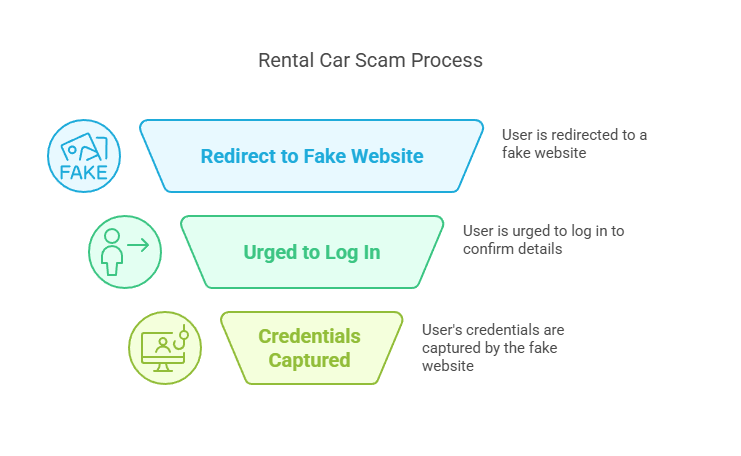
You Click the Link and Get Redirected to a Fake Website
●The e-mail urges you to "log in" to confirm details, update payment info or download your itinerary.
●Clicking the link takes you to a convincing but fake website that captures your credentials when you enter them.
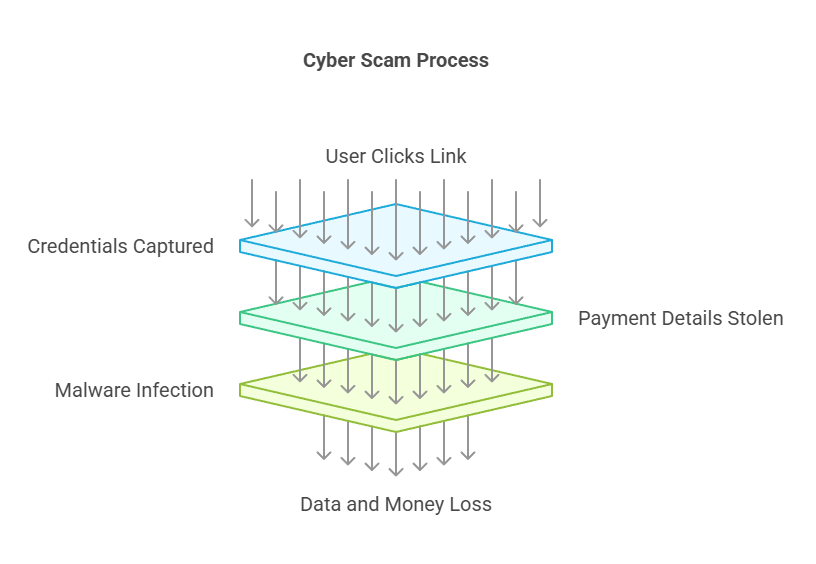
Hackers Steal Your Information And/Or Money
●If you enter your login credentials on the website they are impersonating, hackers now have access to your airline, hotel or financial accounts.
●If you enter payment details, they steal your credit card information or process fraudulent transactions.
●If the link contains malware, your device (and everything on it) could be compromised.
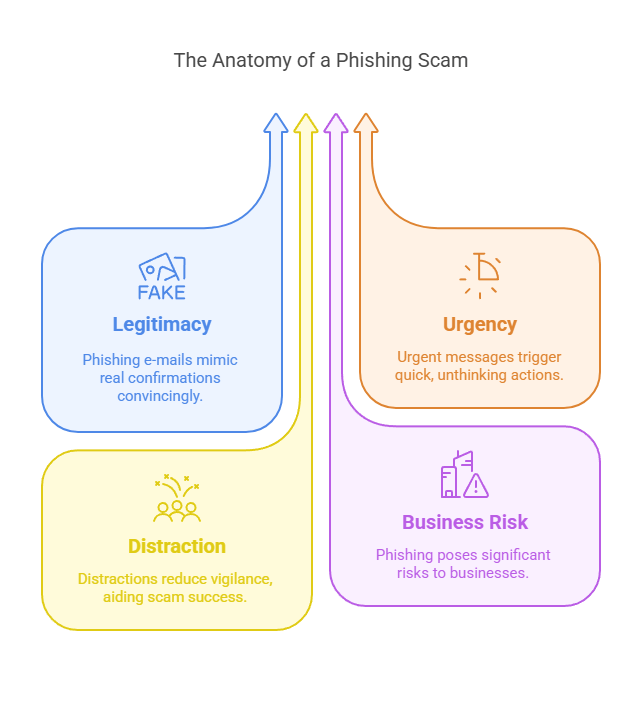
Why This Scam Is So Effective
- It Looks Legit: These phishing e-mails perfectly mimic real confirmation e-mails - logos, formatting and even links that look familiar.
- It Plays on Urgency: Seeing a "reservation issue" or "flight change" triggers panic, making people act fast without thinking.
- People Are Distracted: Whether they're in the middle of work or excited about an upcoming trip, they're less likely to double-check an e-mail's authenticity.
- It's Not Just Personal - It's a business risk too.
If you or your team travels for work, this scam becomes even more dangerous. Many businesses have one person handling all reservations - flights, hotels, rental cars, conference bookings.
Because they receive so many confirmation e-mails, it's easy for a fraudulent one to slip through. A single click from your office manager, travel coordinator or executive assistant could:
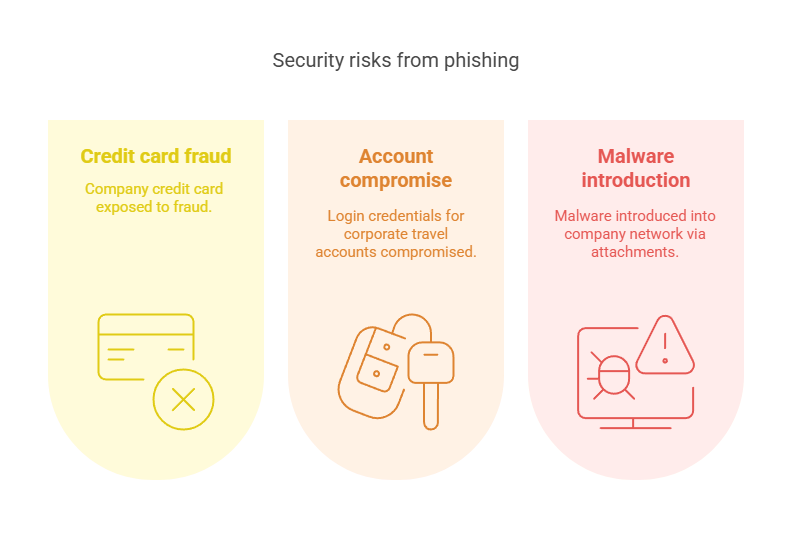
●Expose your company credit card to fraud.
●Compromise login credentials for corporate travel accounts.
●Introduce malware into your company network if the scam contains malicious attachments.
How To Protect Yourself and Your Business
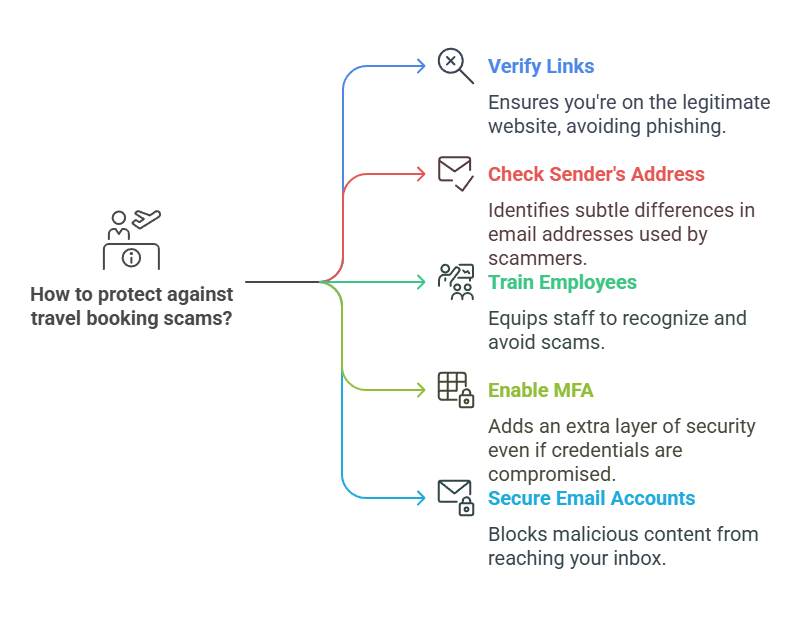
- Verify Before You Click - Always go directly to the airline, hotel or booking website instead of clicking e-mail links.
- Check The Sender's E-mail Address - Scammers use addresses that are close but not exact (e.g., "@deltacom.com" instead of "@delta.com").
- Warn Your Team - Train employees to recognize phishing scams, especially those handling company travel bookings.
- Enable Multifactor Authentication (MFA) - Even if credentials are stolen, MFA adds an extra layer of security.
- Lock Down Business E-mail Accounts - Ensure e-mail security measures are in place to block malicious links and attachments.
Don't Let a Fake Travel E-mail Cost Your Business
Cybercriminals know exactly when and how to strike - and travel season is prime time.
If you or anyone on your team books work-related travel, handles reservations or manages expense reports, you're a target.
Let's make sure your business is protected.
Start with a FREE Cybersecurity Assessment. We'll check for vulnerabilities, strengthen your defenses and help safeguard your team against phishing scams like this.
see detailsto schedule your FREE assessment today!